
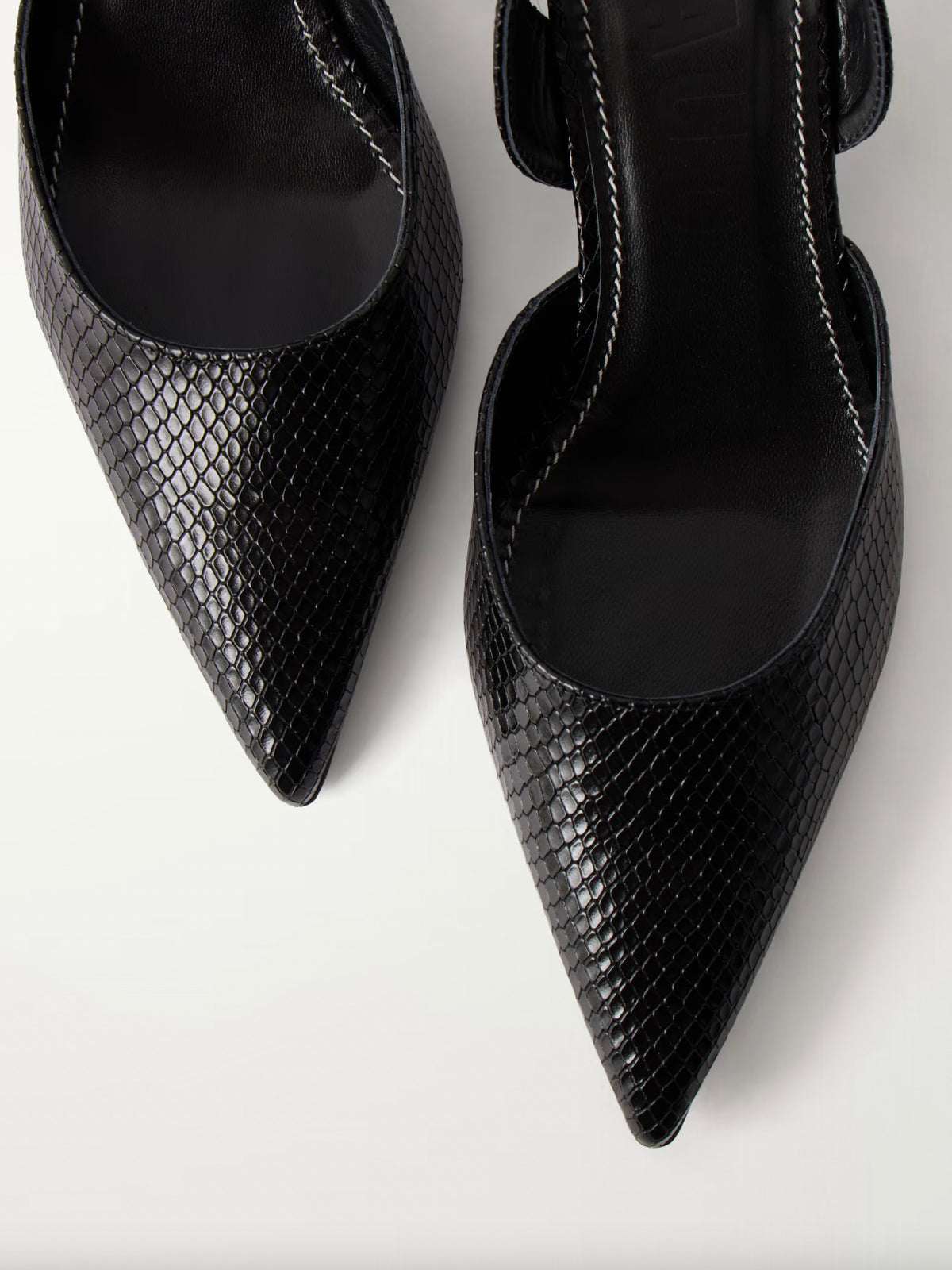


In an era when fashion trends can change overnight, a growing number of designers are quietly leading a powerful transformation in the industry. Instead of chasing fleeting trends or producing garments designed to last only a season, these designers are returning to the foundations of fashion: craftsmanship, quality, and timeless design.
Women’s fashion is experiencing a renewed appreciation for clothing that reflects artistry and precision. Designers across the world are rediscovering traditional techniques, working with skilled artisans, and focusing on garments that embody lasting elegance. The result is a movement that is redefining modern women’s clothing.
Craftsmanship is once again becoming the heart of fashion. From beautifully tailored dresses to thoughtfully constructed everyday pieces, today’s designers are proving that true style lies in the details.
The Meaning of Craftsmanship in Women’s Fashion
Craftsmanship in fashion goes far beyond simply sewing fabric together. It represents the dedication, skill, and artistry that transform raw materials into elegant garments.
When designers prioritize craftsmanship, every element of the clothing receives careful attention. This includes:
- Precise tailoring that enhances the body’s natural silhouette
- High-quality fabrics chosen for durability and comfort
- Thoughtful stitching techniques that strengthen garment construction
- Careful finishing that ensures long-lasting wear
Unlike mass-produced clothing, garments created with craftsmanship often involve significant time and expertise. Skilled artisans may spend hours refining a single piece, ensuring that each seam and detail meets exacting standards.

For women who appreciate refined fashion, this level of attention makes a profound difference. A well-crafted garment not only looks beautiful but also feels comfortable and retains its shape over time.
Why Designers Are Returning to Traditional Techniques
The renewed focus on craftsmanship is not accidental. It reflects a deeper transformation in how the fashion industry approaches design and production.
Over the past two decades, fast fashion reshaped the clothing market. Brands began producing garments at unprecedented speeds, releasing new collections constantly to satisfy consumer demand for novelty.
However, this rapid production model often sacrificed quality and longevity.
Today, both designers and consumers are recognizing the limitations of this approach. Many women are seeking clothing that offers lasting value rather than temporary trends.
In response, designers are returning to traditional techniques that emphasize durability and artistry. By reviving these methods, they are creating garments that feel meaningful and enduring.
This shift represents a broader movement toward thoughtful fashion.
The Influence of Skilled Artisans
Behind every beautifully crafted garment is a network of skilled artisans. Pattern makers, tailors, textile specialists, and seamstresses all contribute to the creation of high-quality clothing.
For generations, these artisans have preserved techniques that form the foundation of fashion craftsmanship. Their expertise allows designers to experiment with complex silhouettes, intricate details, and refined construction.
In many fashion houses, collaboration between designers and artisans is essential. Designers provide creative vision, while artisans translate those ideas into wearable garments.
This partnership ensures that every piece reflects both artistic inspiration and technical mastery.
By investing in skilled craftsmanship, designers are preserving an important cultural tradition within the fashion industry.
The Role of High-Quality Fabrics
Another essential element of craftsmanship is fabric selection.
The materials used in a garment significantly influence how it looks, feels, and ages over time. Designers who value craftsmanship often prioritize natural fabrics such as cotton, linen, wool, and silk.
These materials offer several advantages:
- Breathability and comfort
- Durability and resilience
- Elegant texture and drape
- Adaptability across different seasons
High-quality fabrics also enhance the overall aesthetic of a garment. When combined with thoughtful tailoring, they create clothing that moves gracefully and retains its structure.
This attention to materials reflects the philosophy that fashion should be both beautiful and functional.
The Return of Timeless Design
Craftsmanship and timeless design often go hand in hand.
Designers who focus on craftsmanship typically create garments that transcend seasonal trends. Instead of emphasizing novelty, they prioritize silhouettes and details that remain stylish for years.
Timeless dresses are a perfect example.
These garments often feature clean lines, balanced proportions, and subtle elegance. Their simplicity allows them to adapt easily to different occasions and styling choices.
Many fashion experts believe that timeless design is becoming increasingly important in modern wardrobes. As women seek clothing that offers versatility and longevity, classic silhouettes are gaining renewed popularity.
This growing interest in enduring style is explored in discussions such as Why Fashion Experts Say Timeless Dresses Are Making a Comeback, which highlights how timeless garments are regaining influence within contemporary fashion.
Craftsmanship as a Response to Fast Fashion
The return of craftsmanship also reflects a broader reaction against fast fashion culture.
Fast fashion encouraged consumers to purchase clothing frequently, often treating garments as disposable items. While this model allowed brands to produce affordable trends quickly, it also contributed to waste and declining garment quality.
Today, many designers are advocating for a more thoughtful approach.
By focusing on craftsmanship, they encourage consumers to view clothing as an investment rather than a temporary purchase. Well-made garments can last for years, reducing the need for constant replacements.
This approach benefits both consumers and the environment.
For women seeking clothing that aligns with values of sustainability and quality, craftsmanship offers an appealing alternative.
The Impact of Craftsmanship on Personal Style
Craftsmanship also plays a powerful role in shaping personal style.
Garments created with care and precision often possess a unique character. Their details, textures, and structure give them a distinctive presence that mass-produced clothing rarely achieves.
When women wear well-crafted clothing, they often feel more confident and comfortable. The garments fit better, move naturally, and maintain their shape throughout the day.
This sense of quality enhances the overall fashion experience.
Instead of relying on bold trends or excessive decoration, craftsmanship allows clothing to speak through its design and construction.
The result is a style that feels authentic and sophisticated.
How Designers Are Modernizing Traditional Craftsmanship
Although craftsmanship draws heavily from tradition, modern designers are finding innovative ways to incorporate it into contemporary fashion.
Technology now allows designers to experiment with new materials, digital pattern-making, and advanced production techniques while still preserving traditional craftsmanship.
For example, modern designers may combine classic tailoring methods with lightweight fabrics suited for today’s lifestyles. Others explore sustainable textiles that support environmentally responsible production.
These innovations demonstrate that craftsmanship does not mean rejecting progress. Instead, it represents a harmonious blend of heritage and creativity.
By integrating tradition with innovation, designers are shaping the future of women’s fashion.
Building a Wardrobe Around Quality Clothing
As craftsmanship returns to prominence, many women are rethinking how they build their wardrobes.
Instead of focusing solely on quantity, they are prioritizing quality and versatility.
A thoughtfully curated wardrobe often includes a selection of well-made garments that can be styled in multiple ways. For example:
- A tailored dress that works for professional and social occasions
- A classic blouse that pairs easily with different bottoms
- A structured jacket that enhances various outfits
- Elegant dresses that remain stylish year after year
These pieces form the foundation of a wardrobe that balances practicality with elegance.
By investing in clothing that reflects craftsmanship, women can create wardrobes that feel both refined and enduring.
The Cultural Value of Fashion Craftsmanship
Fashion craftsmanship carries cultural significance beyond the garments themselves.
Traditional techniques represent generations of knowledge passed down through artisans and designers. These skills preserve the heritage of fashion and ensure that important techniques are not lost over time.

Many designers view craftsmanship as an essential part of fashion’s artistic identity. Without skilled artisans and careful construction, clothing would lose much of its expressive power.
This cultural dimension reinforces the importance of preserving craftsmanship within modern fashion.
The Connection Between Craftsmanship and Classic Dressmaking
The return to craftsmanship is closely linked to the revival of classic dressmaking.
Traditional dressmaking techniques emphasize structure, balance, and attention to detail—qualities that align perfectly with craftsmanship.
Many designers are revisiting these techniques to create garments that feel both elegant and contemporary.
The broader context of this movement is explored in discussions such as The Fashion Industry’s Quiet Return to Classic Dressmaking, which highlights how designers are rediscovering the value of traditional garment construction.
Together, craftsmanship and classic design are reshaping women’s fashion in meaningful ways.
The Future of Women’s Fashion
The renewed focus on craftsmanship suggests that the future of fashion may be more thoughtful and intentional.
Consumers are increasingly seeking clothing that reflects quality, sustainability, and personal expression. Designers who prioritize craftsmanship are well positioned to meet these expectations.
By investing in skilled artisans, high-quality fabrics, and timeless design principles, these designers are redefining what modern women’s clothing can be.
Their work demonstrates that fashion does not need to sacrifice artistry in pursuit of speed or novelty.
Instead, the most meaningful garments often emerge from patience, skill, and attention to detail.
The designers bringing craftsmanship back to women’s fashion are leading an important transformation within the industry. By returning to traditional techniques, prioritizing quality materials, and embracing timeless design, they are redefining what modern clothing represents.
For women, this movement offers an opportunity to rediscover the value of well-made garments. Clothing created with craftsmanship provides elegance, comfort, and durability—qualities that remain essential regardless of changing trends.
As fashion continues to evolve, craftsmanship will likely remain one of its most powerful influences. In a world of rapid production and constant change, the artistry of thoughtful design stands as a reminder that true style is built to last.